

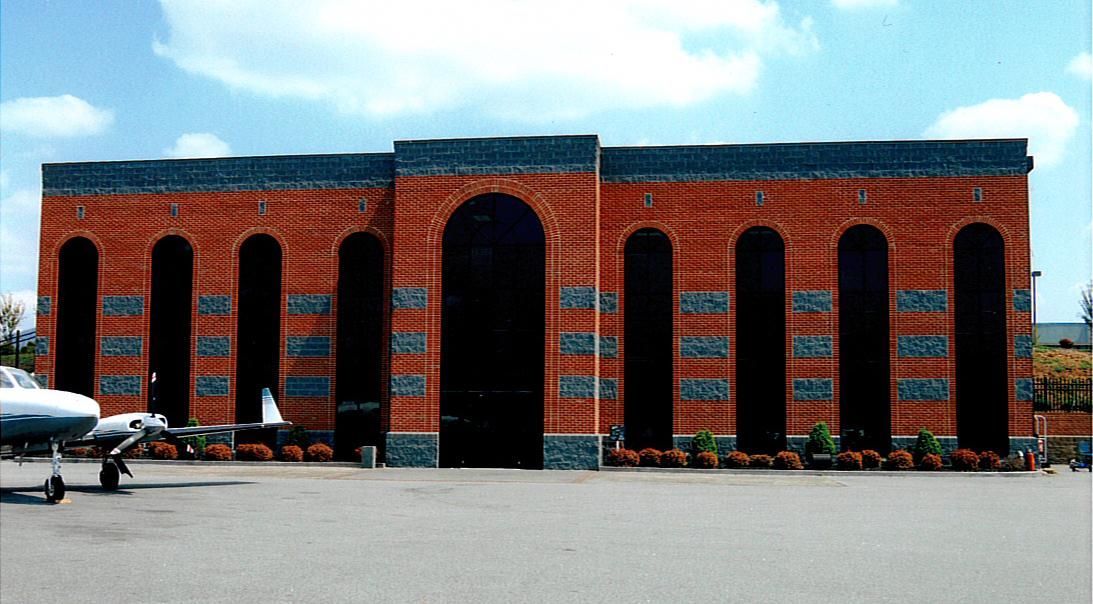
Clear Span Structures for Aircraft Storage
Airplane Hangar Construction in Hickory for aviation operators requiring unobstructed interior space
Aircraft storage demands column-free interiors with sufficient height clearance, door systems that accommodate wingspan dimensions, and structural capacity to resist wind loads without interior bracing that obstructs movement. Butler building systems provide the clear-span design necessary for maneuvering aircraft inside the structure, eliminating posts or beams that would otherwise limit usable floor area. Building Systems of Catawba County Inc has delivered large-span structures since 1986, applying construction methods that address aviation-specific site requirements and operational needs.
Hangar construction involves engineering door tracks to handle repeated daily cycles, installing foundations capable of supporting point loads from aircraft landing gear, and coordinating electrical service for maintenance equipment and lighting systems that provide visibility across expansive interior areas. The building envelope must prevent moisture infiltration that leads to corrosion on stored aircraft, while roof systems are designed to shed precipitation quickly without pooling that adds unnecessary structural load.
Arrange a consultation to review hangar dimensions and structural requirements for your aviation facility in Hickory, Gastonia, Lincolnton, and surrounding areas.
Why Clear Span Design Works for Aviation Use
Pre-engineered Butler systems use rigid frame construction that transfers roof and wall loads to perimeter columns, eliminating the need for interior supports that would interfere with aircraft positioning or maintenance work. The framing approach allows door openings wide enough to accommodate multiple aircraft or larger wingspan models without requiring custom structural solutions. Foundation design accounts for soil conditions and wind uplift forces, which are higher for large open buildings than for structures with interior partitioning that provides lateral bracing.
Once the hangar is operational, you'll notice that aircraft can be moved into position without navigating around columns, door systems open and close reliably without binding or alignment issues, and the interior remains dry even during heavy rain events. The metal panel exterior resists weathering and requires minimal repainting compared to wood or fabric hangar structures, reducing long-term maintenance labor. Electrical infrastructure is positioned to support maintenance tasks without extension cords running across the floor, and ventilation systems control humidity levels that affect stored aircraft components.
Site planning for hangars includes coordinating taxiway access, positioning apron areas for aircraft staging, and routing utilities to avoid interference with underground fuel lines or drainage systems already present at aviation facilities. Building Systems of Catawba County Inc coordinates with airport authorities and regulatory agencies to address site-specific requirements that affect construction timelines and permit approvals. The construction schedule is planned to minimize disruption to ongoing aviation operations if the hangar is being added to an active airfield.
Common Questions About This Service
Aviation operators and property owners often ask about structural capabilities, door systems, and site coordination before starting hangar construction.
What determines the clear span width needed for a hangar?
The required span depends on the wingspan of aircraft you plan to store, with additional clearance needed on each side for safe maneuvering and access to maintenance areas without risk of wingtip contact with walls.
How do hangar door systems handle repeated use?
Hydraulic or motorized door tracks are engineered for thousands of open-close cycles, with sealed bearings and corrosion-resistant hardware that maintain smooth operation in outdoor aviation environments exposed to temperature swings and precipitation.
What foundation considerations apply to hangar construction in Catawba County and nearby areas?
Soil bearing capacity tests determine footing depth and reinforcement requirements, and foundation design accounts for point loads from aircraft weight concentrated on landing gear contact points rather than distributed evenly across the floor slab.
How long does hangar construction take from site preparation to operational readiness?
Construction duration depends on building size and door complexity, but pre-engineered systems reduce the timeline compared to custom-engineered structures that require extended design and fabrication periods.
What building features affect long-term hangar maintenance?
Durable metal panels resist corrosion and UV degradation, roof membrane warranties determine replacement intervals, and door system components require periodic lubrication and alignment checks to maintain reliable operation over decades.
Building Systems of Catawba County Inc brings experience in large-span construction and aviation facility planning to hangar projects, coordinating site work, structural engineering, and regulatory compliance to deliver operational buildings on schedule. Schedule a project discussion to review your site and begin planning hangar specifications that match your aircraft storage requirements.